
Stop Gang Violence Act
Bill Summary
Requires law enforcement agencies to develop strategies to prevent and investigate gang-related violence, and funds community-based programs to reduce gang activity. Establishes grants for local governments to support anti-gang initiatives.
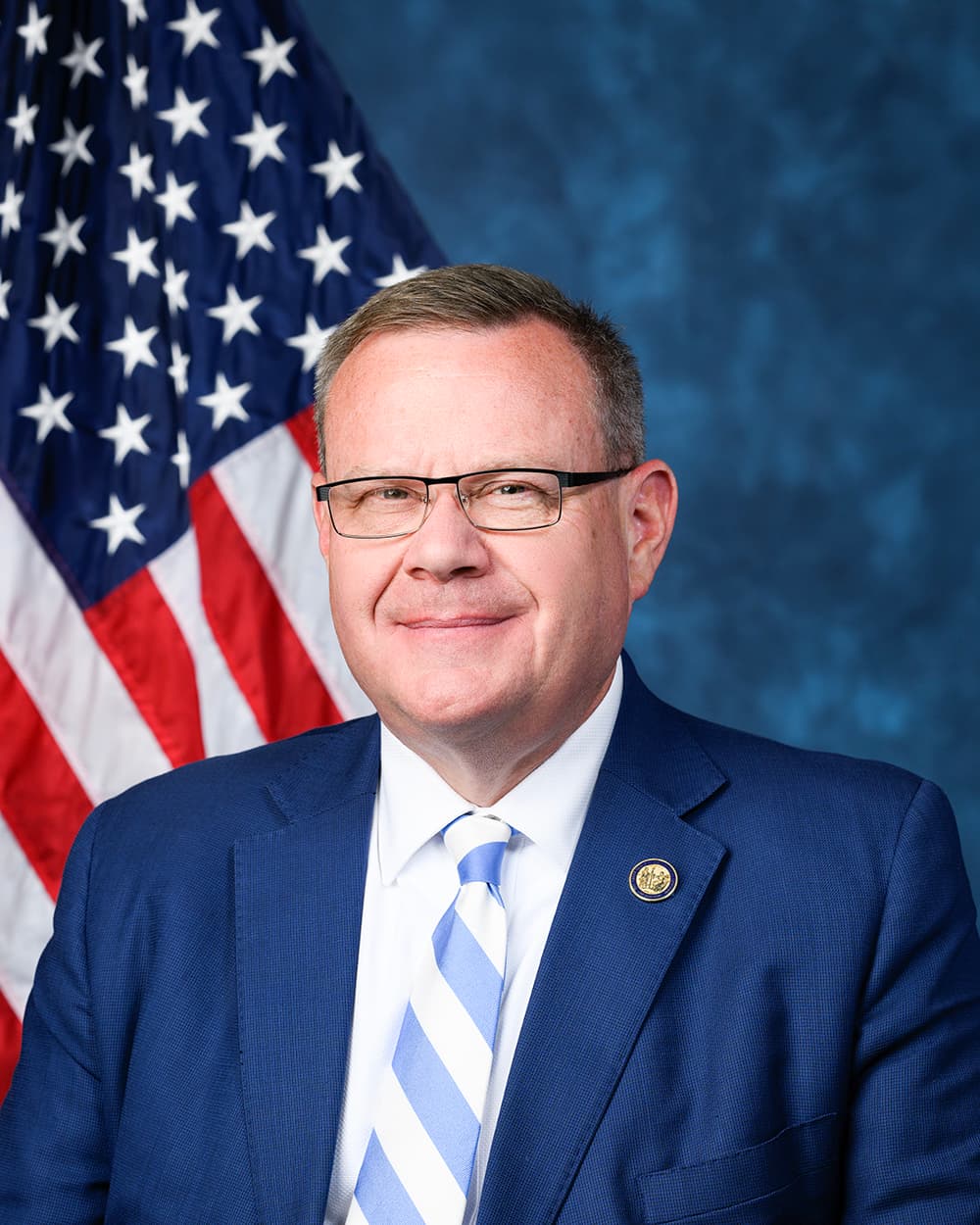
Sponsored By
Bill Journey
- May 15, 2026
- May 15, 2026You Are Here
The committee will review the bill, debate amendments, and vote on whether to advance it to the full chamber.
- TBD
The full chamber debates the bill, may amend it, and votes on whether to pass it.
- TBD
If passed by the first chamber, the other chamber considers, may amend, and votes on the bill.
- TBD
If passed by both chambers, the bill goes to the President to sign into law or veto.
Why It Matters
This bill affects communities with high rates of gang violence, potentially reducing crime and improving public safety for residents. It also impacts local law enforcement agencies, which would receive funding and resources to combat gang activity.
Impact Areas
Support & Opposition
- Republican1
Documents
1
Full text opens on congress.gov, the official source.
Bill Details
- Safety
Summary and impact analysis written by Judy (KnowGov's enrichment AI). Bill metadata, status, sponsor, and any floor votes from Prism. Sections marked “Sample” are placeholders not yet connected to live data.