


Economy
What does it mean?
EconomyEconomic policy shapes taxes, federal spending, interest rates, trade, and financial regulation. These choices affect prices, wages, jobs, and growth, and weigh competing priorities like deficits, inflation, and investment.
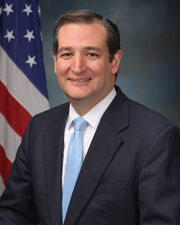
- Ted CruzTX (S)Senate Committee on Commerce, Science, and Transportation
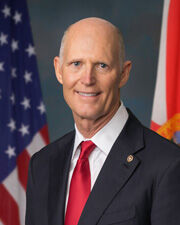
- Rick ScottFL (S)Senate Committee on Armed Services
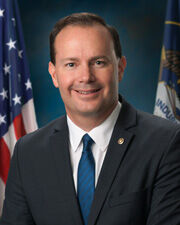
- Mike LeeUT (S)Senate Committee on Energy and Natural Resources
- Marsha BlackburnTN (S)Senate Committee on Commerce, Science, and Transportation

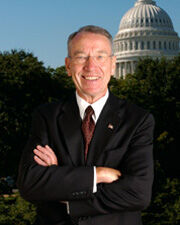
- Chuck GrassleyIA (S)Senate Committee on Agriculture, Nutrition, and Forestry
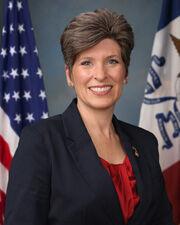
- Joni ErnstIA (S)Senate Committee on Agriculture, Nutrition, and Forestry
Media Headlines
- ISSUE HEADLINES2d ago
Iowa lawmakers to vote on raising tax incentive cap for a $15B steel plant

Coverage (2)
- ISSUE HEADLINES2d ago
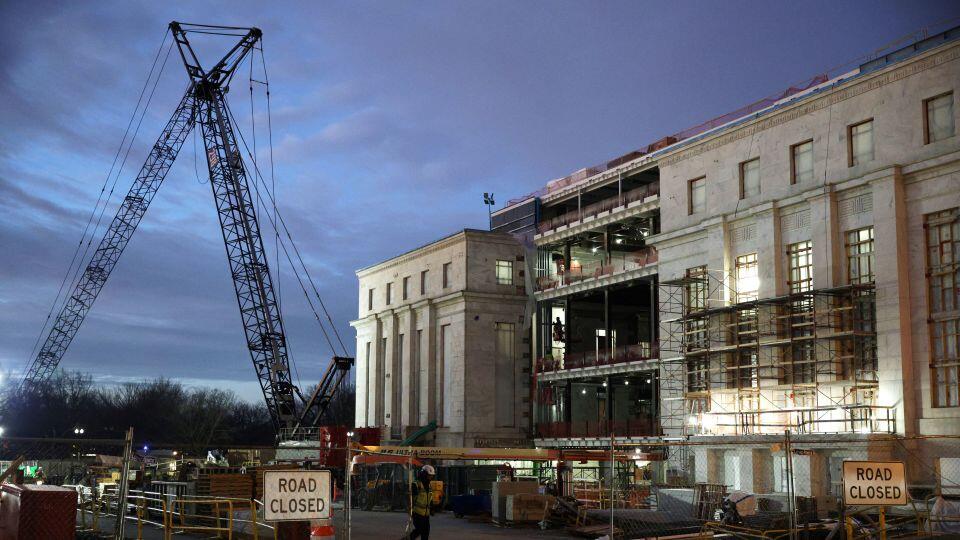
Fed watchdog finds no crimes in $2.4B building renovation, only mismanagement

Coverage (7)
- ISSUE HEADLINES3d ago
Federal Reserve HQ Renovation costs hit $2.5B: OIG Report clears Powell

Coverage (3)
- ISSUE HEADLINES3d ago
Senate punts bill to permanently ban Chinese cars until after midterm elections

Coverage (2)
- ISSUE HEADLINES3d ago
Powell did not break the law with expensive Fed renovations that incensed Trump, report finds
Coverage (7)
- ISSUE HEADLINES3d ago
Fed watchdog finds renovation failures, no grounds for criminal referral

Coverage (2)
- ISSUE HEADLINES3d ago
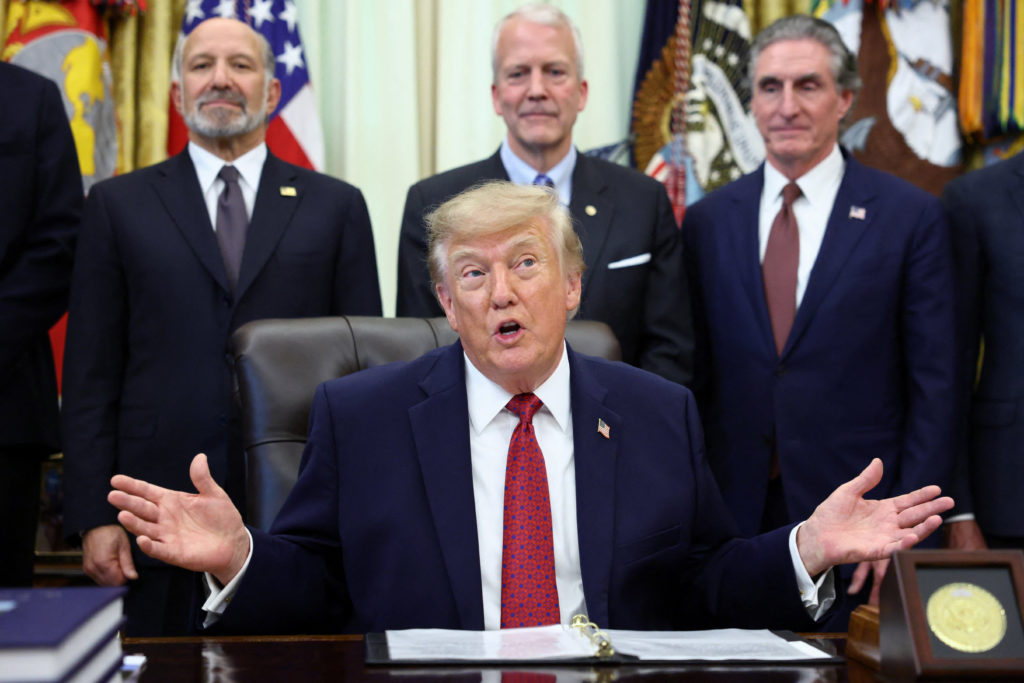
WATCH: Trump announces $54 billion South Korean investment in Alaska natural gas pipeline
Coverage (3)
- ISSUE HEADLINES3d ago
Would there be a $1,000 hurricane tax in Florida under David Jolly?

Coverage (2)
- ISSUE HEADLINES3d ago
US inflation remained stubborn last month as Iran war continued to lift prices

Coverage (6)
- ISSUE HEADLINES4d ago
Trump’s ads have cost taxpayers at least $2.5 million, with funding from Customs and Border Protection

Coverage (3)
- ISSUE HEADLINES5d ago
In Mike Johnson's district, political mood is mixed for party in power

Coverage (6)
- ISSUE HEADLINES8d ago
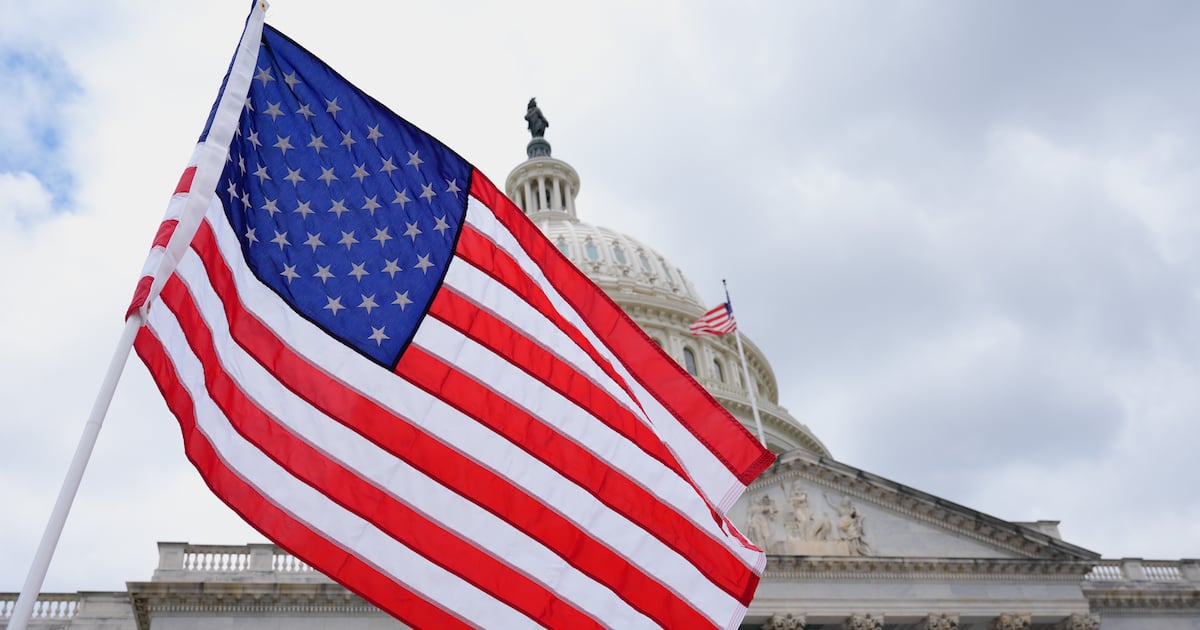
Trump administration uses rare authority to claw back nearly $1B in spending approved by Congress
Coverage (2)
- ISSUE HEADLINES8d ago
Could Americans move to a 32-hour workweek? What to know about the proposed bill

Coverage (6)
- ISSUE HEADLINES14d ago
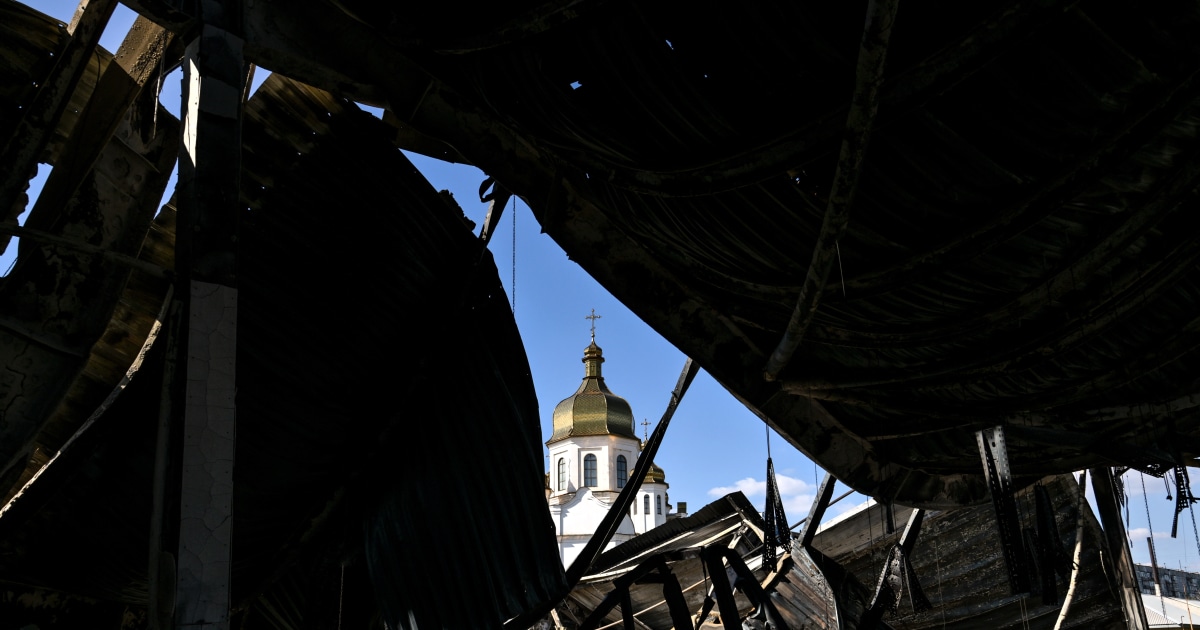
Trump signs sweeping new Russia sanctions bill named in honor of Lindsey Graham
Coverage (6)
- ISSUE HEADLINES16d ago
Millions more in federal fraud discovered as part of national crackdown

Coverage (6)
- ISSUE HEADLINES17d ago
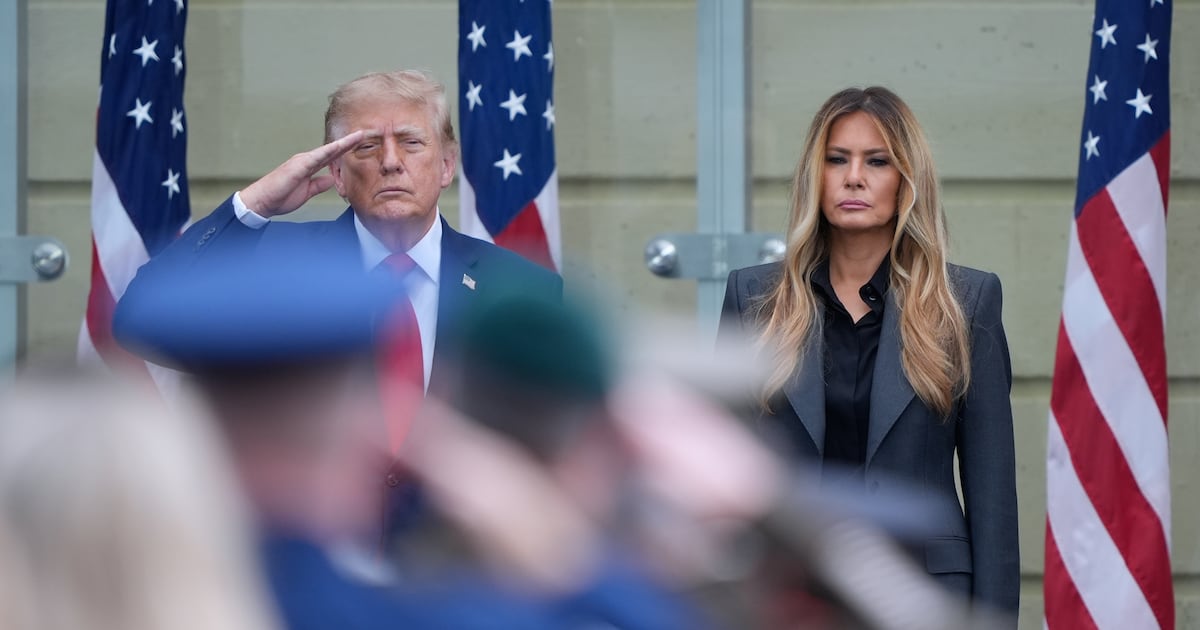
The Latest: Federal Reserve defies Trump, hikes key interest rate for first time in 3 years
Coverage (7)
- ISSUE HEADLINES17d ago
US futures climb ahead of Fed interest rate call, retail sales numbers

Coverage (7)
- ISSUE HEADLINES18d ago
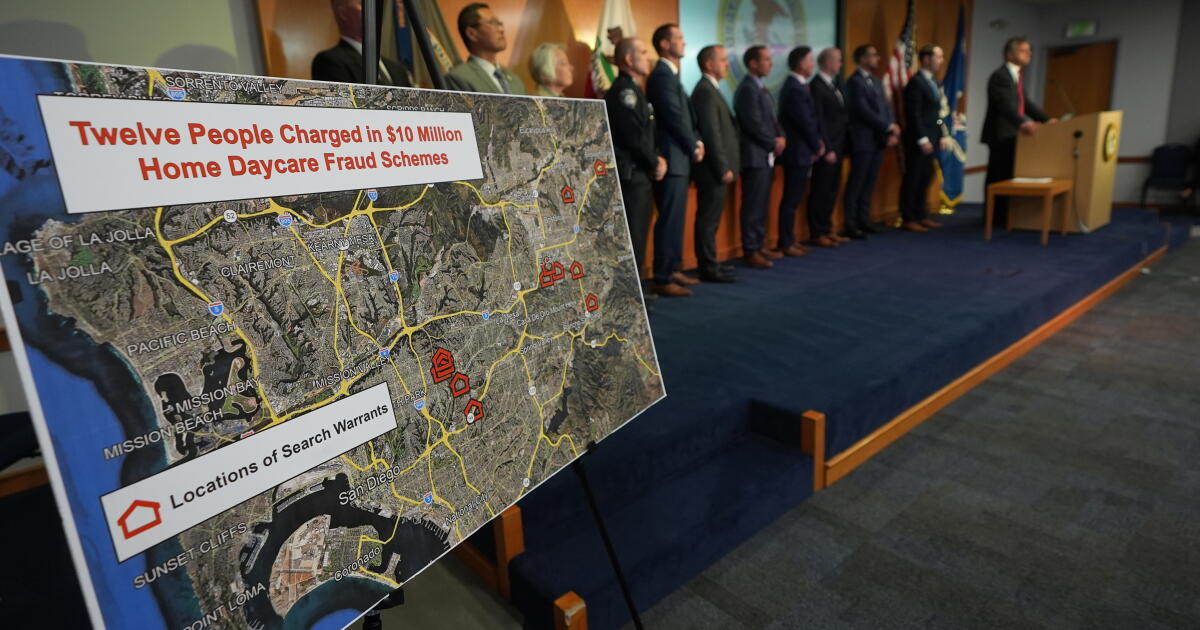
Federal authorities allege $10 million in childcare fraud in San Diego
Coverage (6)
- ISSUE HEADLINES22d ago
Ontario Premier Doug Ford wants GOP to lose House, Senate over Trump's trade war

Coverage (6)
- ISSUE HEADLINES23d ago
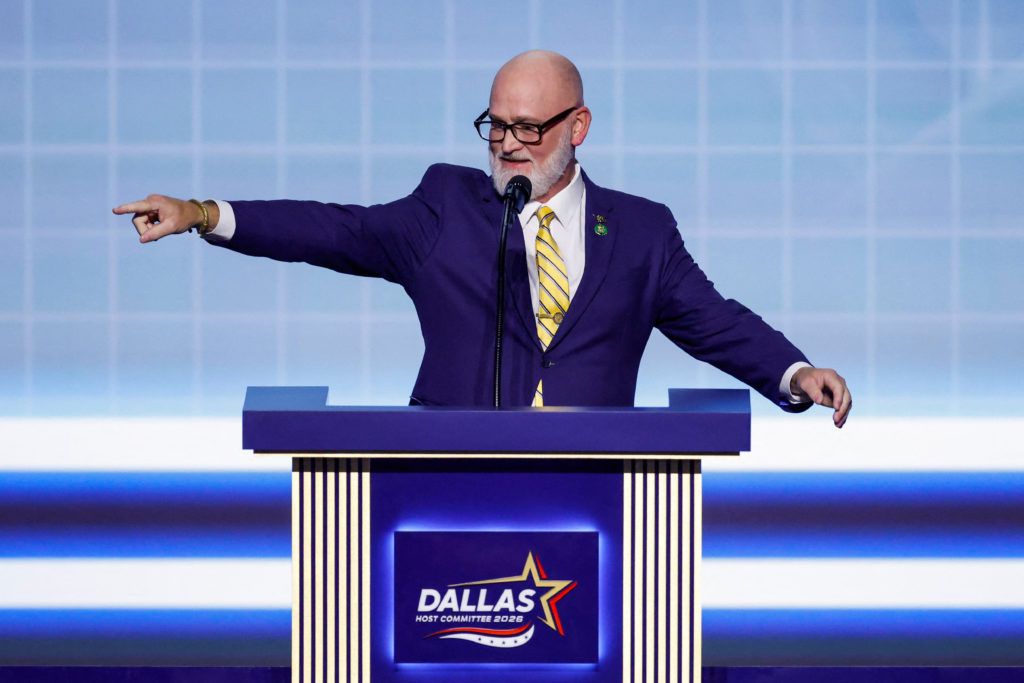
Republicans are touting their 'big beautiful bill' to voters. Here's what the law has actually done
Coverage (6)















- Senate Committee on the JudiciaryThe Senate Committee on the Judiciary provides oversight of the Department of Justice and the agencies under the Department's jurisdiction, including the Federal Bureau of Investigation, and the Department of Homeland Security. It also plays an important role in the consideration of nominations and pending legislation. Any legislation related to civil liberty, constitutional amendments, immigration and naturalization, and a variety of other topics is referred to the Committee.+14
- Senate Committee on Foreign RelationsThe Senate Committee on Foreign Relations was established in 1816 as one of the original ten standing committees of the Senate. Throughout its history, the committee has been instrumental in developing and influencing United States foreign policy, at different times supporting and opposing the policies of presidents and secretaries of state. The committee has considered, debated, and reported important treaties and legislation, ranging from the purchase of Alaska in 1867 to the establishment of the United Nations in 1945. It also holds jurisdiction over all diplomatic nominations. Through these powers, the committee has helped shape foreign policy of broad significance, in matters of war and peace and international relations. Members of the committee have assisted in the negotiation of treaties, and at times have helped to defeat treaties they felt were not in the national interest.+14
- Near East, South Asia, Central Asia, and Counterterrorism+3


- CFPBConsumer Financial Protection Bureau
- CommerceDepartment of Commerce
- DOEDepartment of Energy
- DOLDepartment of Labor
- TreasuryDepartment of the Treasury
- FHFAFederal Housing Finance Agency
- FedFederal Reserve System
- FTCFederal Trade Commission
- IRSInternal Revenue Service
- SECSecurities and Exchange Commission
- SBASmall Business Administration