KnowGovUnderstand. Power. Act.
← Data Lab

The Library

New

One story, all the way down.

Consumer apprehension grows as US retailers adopt AI-assisted pricing tools

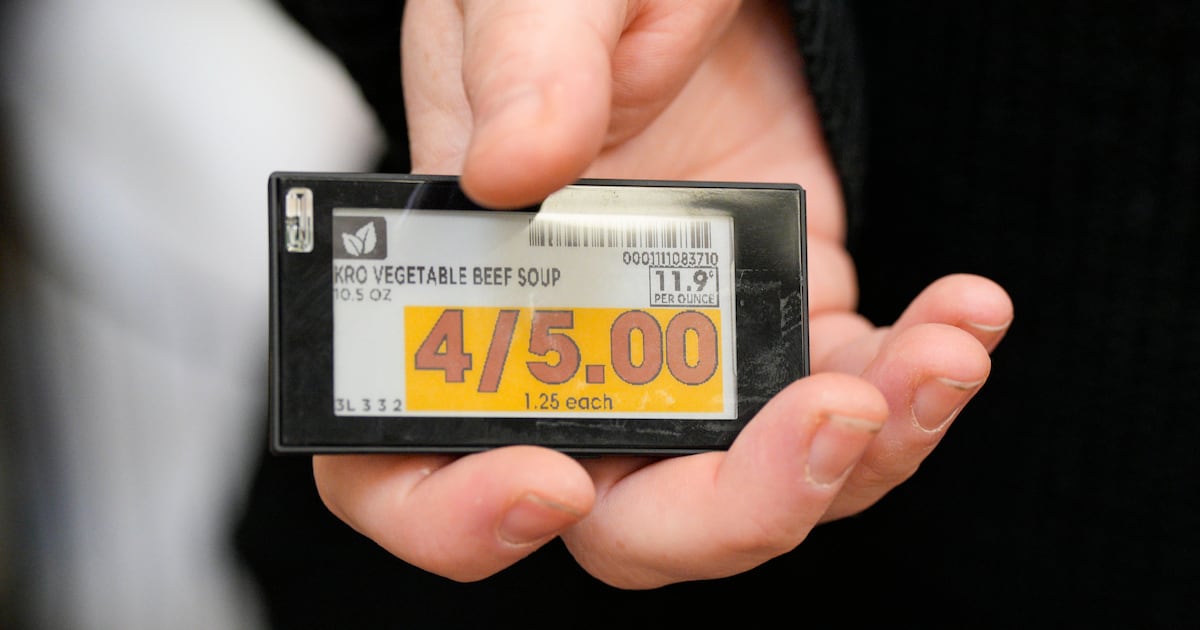
U.S. consumers are uneasy about the increasingly high-tech ways that restaurant chains and major retailers are setting prices. Digital price tags are replacing paper ones in grocery aisles. Artificial intelligence tools help businesses decide what to charge by predicting how customers might respond. Terms like “dynamic pricing” and “surveillance pricing”…
Sources (1)· Oct 18, 7:12 AM

Read it

Every telling

their own versions

More like this

similar stories in the archive
Seattle mayor signs grocery ‘fair pricing’ into law, bans surveillanceWith a quick signature, Mayor Katie Wilson made Seattle the first city in the U.S. to ban surveillance pricing," a consumer protection and privacy measure she said would stop large grocers from using personal data to charge shoppers different prices for the same product. The new law was stiffly opposed by grocery industry representatives and went through…
Seattle votes to ban grocery 'surveillance pricing'. Your data shouldn't set your food bill.Seattle's City Council voted 7-2 on September 22 to prohibit certain grocery pricing practices that use personal information to decide what customers pay. Consumer Reports supported the measure and helped the mayor's office develop it. The concept of "surveillance pricing" is straightforward. A company finds out about you, uses that information in a…
Walmart says it's not using personal information to set prices as it expands digital shelf labelsWalmart is aiming to assuage customers' fears about its new pricing technology as it rolls out digital price labels at its stores. In a statement posted online, Walmart Inc.’s CEO John Furner vowed that the Bentonville, Arkansas-based retailer isn’t using personal information like income, shopping history or a shopper’s willingness to pay to set prices…