
Media & Culture
Why it matters
This area covers media, the arts, free expression, and the institutions that fund and regulate them. It touches questions of access, ownership, public funding, and the boundaries of speech.
Top Bills Related to this issue
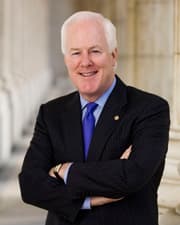
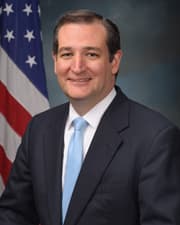
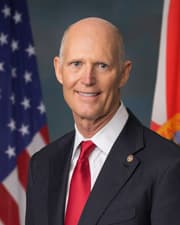
Top Officials Involved

Top Committees
The Senate Committee on Foreign Relations was established in 1816 as one of the original ten standing committees of the Senate. Throughout its history, the committee has been instrumental in developing and influencing United States foreign policy, at different times supporting and opposing the policies of presidents and secretaries of state. The committee has considered, debated, and reported important treaties and legislation, ranging from the purchase of Alaska in 1867 to the establishment of the United Nations in 1945. It also holds jurisdiction over all diplomatic nominations. Through these powers, the committee has helped shape foreign policy of broad significance, in matters of war and peace and international relations. Members of the committee have assisted in the negotiation of treaties, and at times have helped to defeat treaties they felt were not in the national interest.
3 of this issue's top leaders serve here.
The Senate Committee on the Budget is responsible for drafting a concurrent resolution on the budget for congressional action on spending, revenue, and debt-limit legislation. The Budget Resolution must be jointly agreed to by both the House and the Senate, but does not need to be signed by the President. The Committee is also responsible for enforcing the Budget Resolution by informing senators of violations to the budget, and by working with other committees, such as the Committee on Appropriations, to prevent potential violations.
The Senate Committee on the Judiciary provides oversight of the Department of Justice and the agencies under the Department's jurisdiction, including the Federal Bureau of Investigation, and the Department of Homeland Security. It also plays an important role in the consideration of nominations and pending legislation. Any legislation related to civil liberty, constitutional amendments, immigration and naturalization, and a variety of other topics is referred to the Committee.
Top Organizations
Top Agencies
Media & Culture
The culture debate — the bills moving, the members driving it, and how the public feels. Sample
Why It Matters
This area covers media, the arts, free expression, and the institutions that fund and regulate them. It touches questions of access, ownership, public funding, and the boundaries of speech.
Trend Over Time
public sentiment · 30 daysInfluence Overview
Power map →Officials = distinct sponsors of recent Culture bills. The full issue→committee→leadership graph lives on the Power map.