

Security
All results
4,953Bills
44Officials
5Agencies
5Orgs
60Committees
Why It Matters
Defense and foreign policy covers the armed forces, the federal defense budget, diplomacy, foreign aid, and veterans' affairs. It weighs national security and global commitments against cost and competing domestic priorities.
Happening nowView all
- Official UpdateTexasPrimaried
Letters - John Cornyn, Dallas City Hall, quality of life, cars
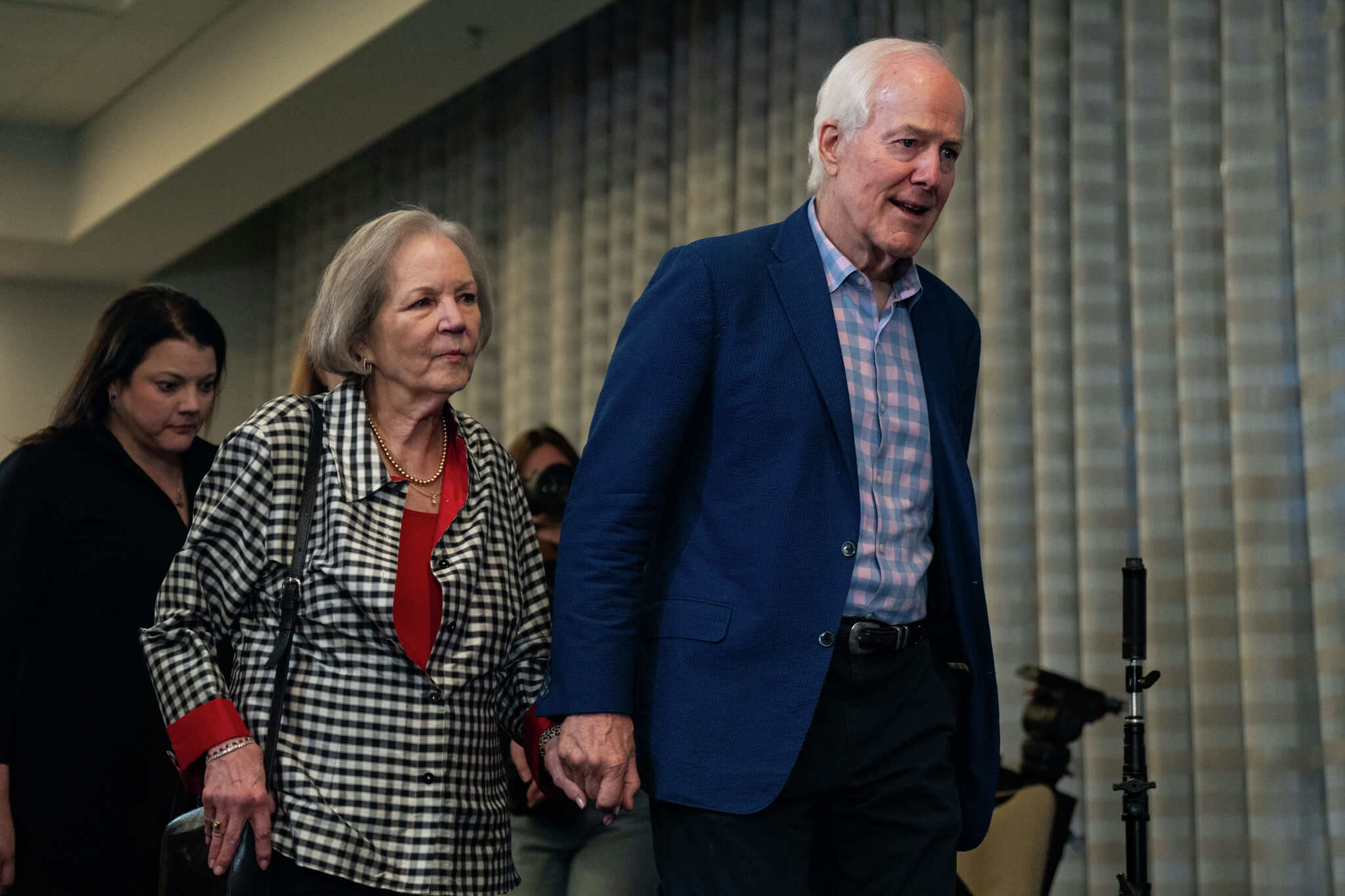 SENATEAug 6, 2026Why its important?FeaturingJ. Cornyn TX
 - Issue Update
Wes Moore says Trump's USS Lincoln Response 'pisses me off'
 SecurityAug 16, 2026Why its important? SourceWashington Examiner
 - Official UpdateTexas
Ted Cruz Just Made A Totally Inaccurate Claim About The COVID Vaccine
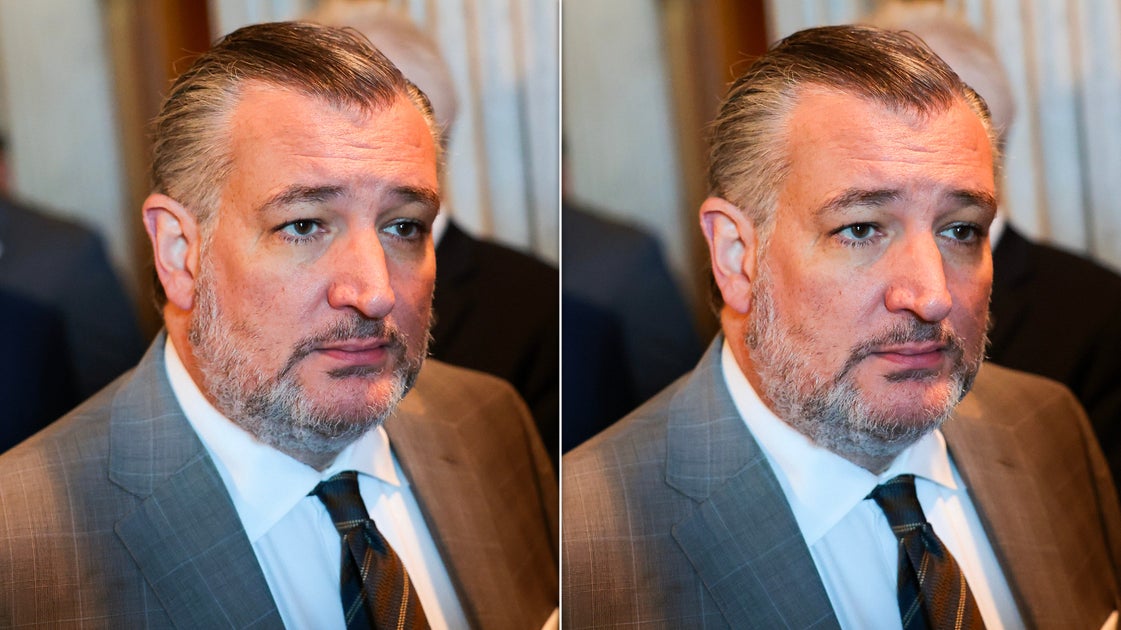 SENATEAug 14, 2026Why its important?FeaturingT. Cruz TX
 - Issue Update
Lincoln police request federal funds for radio replacements
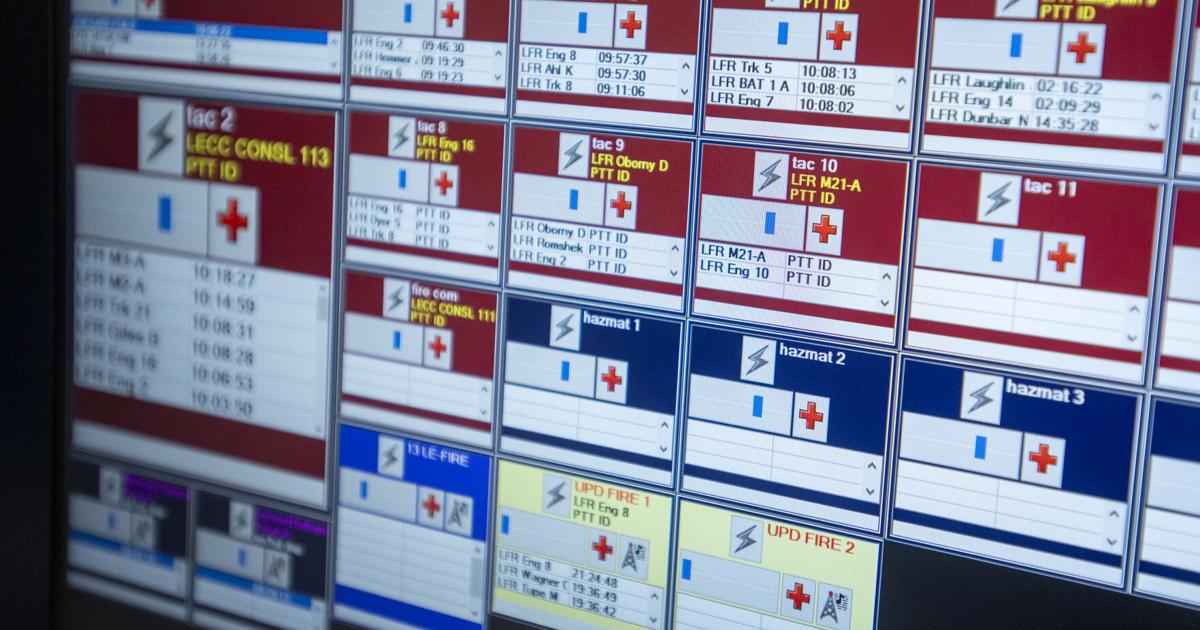 SecurityAug 16, 2026Why its important? SourceLincoln Journal Star
 - Official UpdateFlorida
Rick Scott bill would give Trump new tariff power after Supreme Court ruling
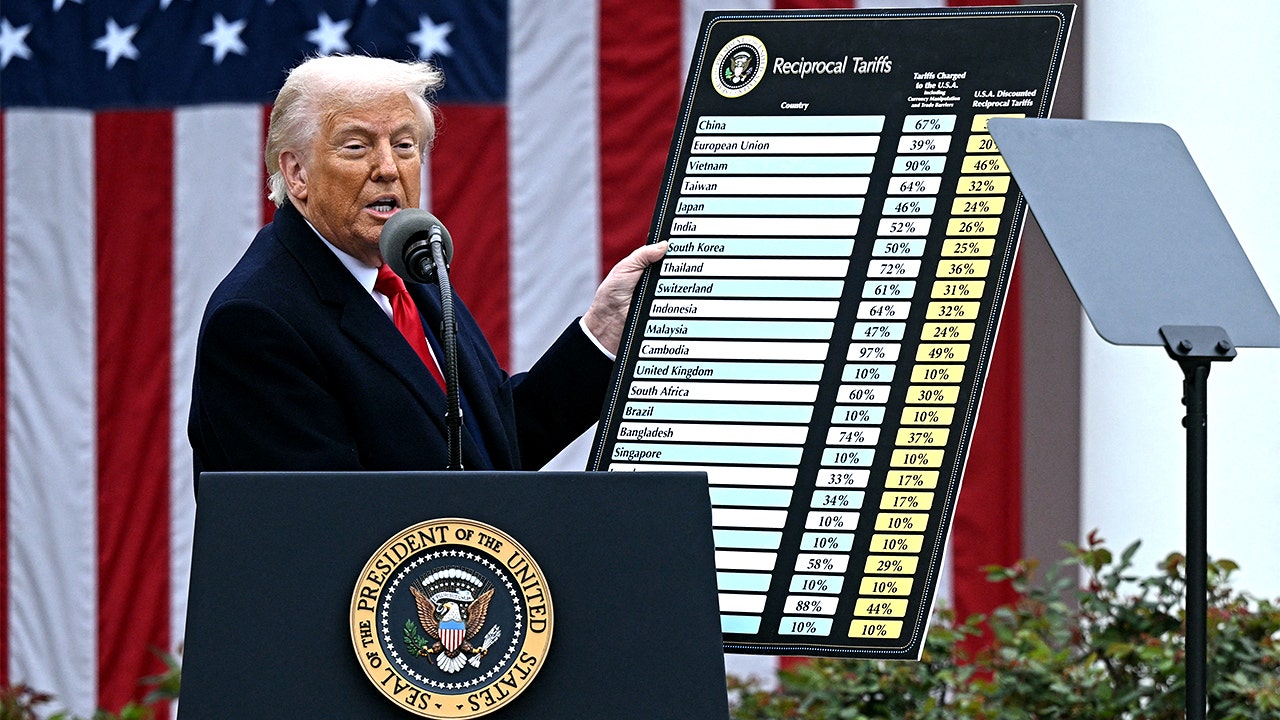 SENATEAug 6, 2026Why its important?FeaturingR. Scott FL
 - Issue Update
Extended carrier deployment bad for the Navy, Ruben Gallego says
 SecurityAug 16, 2026Why its important? SourcePOLITICO
Key billsView all
- HR 10095SecurityTo amend the Foreign Service Act of 1980 to provide per diem eligibility for required leave of members of the Foreign Service.
 COMMITTEE8.13.26
 - HR 10092SecurityTo prohibit National Laboratories from admitting certain foreign nationals, and for other purposes.COMMITTEE8.13.26
- HR 10106SecurityVISITOR ActCOMMITTEE8.13.26
- HR 10101SecurityOpen Doors to Diplomacy ActCOMMITTEE8.13.26
- HR 10099SecurityTo direct the Administrator of the Federal Motor Carrier Safety Administration to issue certain regulations to extend the time period for the waiver of the commercial driver's license skills test for certain members of the military, and for other purposes.
 COMMITTEE8.13.26
 - HR 10076SecurityLindsey O. Graham Sanctioning Russia and Iran Act of 2026
 COMMITTEE8.10.26
 - HR 10070SecurityBorder Patrol Overtime Parity Act
 COMMITTEE8.10.26
 - S 5369SecurityA bill to reauthorize and expand the imposition of sanctions under the Nicaragua Investment Conditionality Act of 2018, and for other purposes.COMMITTEE8.7.26
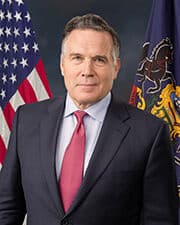
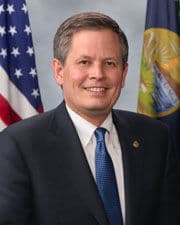
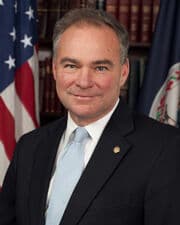
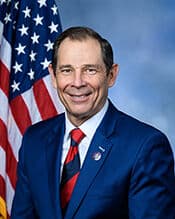
Key officialsView all
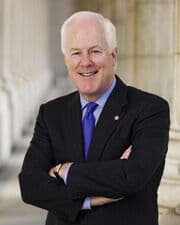
- John CornynTX (S)Senate Committee on Finance
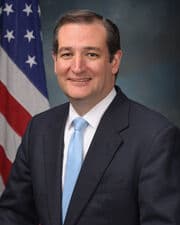
- Ted CruzTX (S)Senate Committee on Commerce, Science, and Transportation
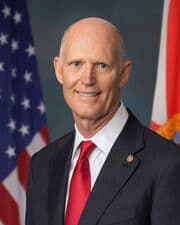
- Rick ScottFL (S)Senate Committee on Armed Services
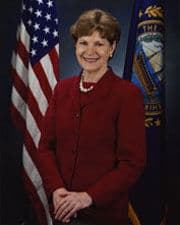
- Jeanne ShaheenNH (S)Senate Committee on Appropriations
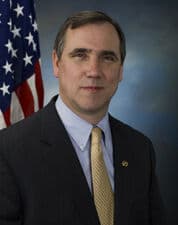
- Jeff MerkleyOR (S)Senate Committee on Appropriations
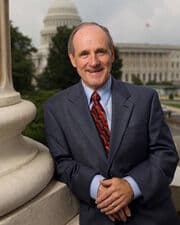
- James E. RischID (S)Senate Committee on Energy and Natural Resources
Key committeesView all
- Senate Committee on Foreign RelationsThe Senate Committee on Foreign Relations was established in 1816 as one of the original ten standing committees of the Senate. Throughout its history, the committee has been instrumental in developing and influencing United States foreign policy, at different times supporting and opposing the policies of presidents and secretaries of state. The committee has considered, debated, and reported important treaties and legislation, ranging from the purchase of Alaska in 1867 to the establishment of the United Nations in 1945. It also holds jurisdiction over all diplomatic nominations. Through these powers, the committee has helped shape foreign policy of broad significance, in matters of war and peace and international relations. Members of the committee have assisted in the negotiation of treaties, and at times have helped to defeat treaties they felt were not in the national interest.+14
- Western Hemisphere, Transnational Crime, Civilian Security, Democracy, Human Rights, and Global Women's Issues+3
- Africa and Global Health Policy+3




Key organizations
Top Supporters
- Brookings Institution
- Council on Foreign Relations
- The American Legion
- The Heritage Foundation
Top Opposers
None recorded.
Key agencies
Recent activity
July 2026
M
T
W
T
F
S
S
11: no scheduled activity
22: no scheduled activity
33: 1 scheduled item
3: 1 scheduled item44: no scheduled activity
55: no scheduled activity
66: 1 scheduled item
6: 1 scheduled item77: no scheduled activity
88: no scheduled activity
99: no scheduled activity
1010: no scheduled activity
1111: no scheduled activity
1212: 1 scheduled item
12: 1 scheduled item1313: no scheduled activity
1414: no scheduled activity
1515: 1 scheduled item
15: 1 scheduled item1616: 1 scheduled item
16: 1 scheduled item1717: no scheduled activity
18+118: 2 scheduled items
+118: 2 scheduled items1919: no scheduled activity
2020: no scheduled activity
21+121: 2 scheduled items
+121: 2 scheduled items2222: no scheduled activity
2323: no scheduled activity
2424: no scheduled activity
2525: no scheduled activity
2626: no scheduled activity
2727: no scheduled activity
2828: no scheduled activity
2929: no scheduled activity
3030: no scheduled activity
3131: no scheduled activity
- Fri3SecurityDefense Authorization Amendment S. 741In Committee
- Mon6SecurityPublic Safety Funding S. 1192In Debate
- Sun12COMMITTEEArmed Services Hearing on Defense BudgetScheduled
- Wed15ORGANIZATIONPolice Chiefs Assoc. Endorses Funding BillPress Release
- Thu16AGENCYDHS Releases New Threat Assessment ReportPublished
All bills on this issue