Planet
What does it mean?
PlanetClimate and environmental policy covers how the country produces energy, regulates emissions and pollution, and prepares for extreme weather. It intersects with the economy, public health, and infrastructure, and involves trade-offs between cost, jobs, and long-term risk.
- John CornynTX (S)Senate Committee on Finance
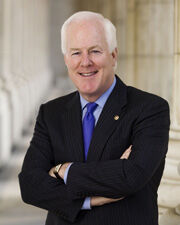
- Ted CruzTX (S)Senate Committee on Commerce, Science, and Transportation
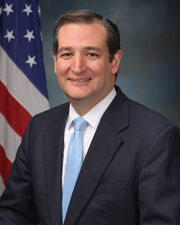
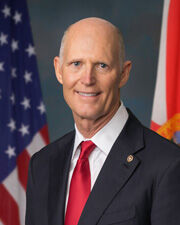
- Rick ScottFL (S)Senate Committee on Armed Services
- Jeff MerkleyOR (S)Senate Committee on Appropriations

- Gary C. PetersMI (S)Senate Committee on Appropriations

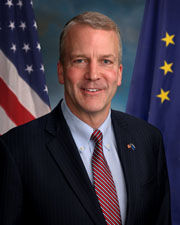
- Dan SullivanAK (S)Senate Committee on Armed Services
Media Headlines
- ISSUE HEADLINES2d ago
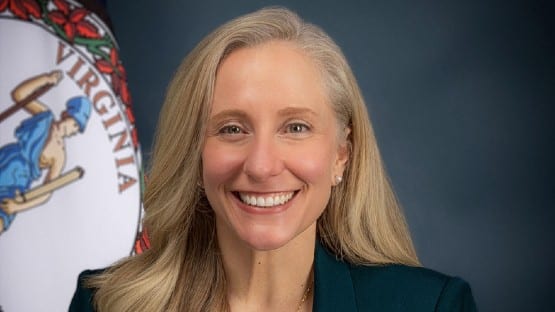
Spanberger releases Energy Plan: Big Energy no longer writing its own rules
Coverage (2)
- ISSUE HEADLINES2d ago
Same Democrats Campaigning on Gas Prices 'Said They Wanted $10-a-Gallon Gas'

Coverage (2)
- ISSUE HEADLINES3d ago
Senate reaches bipartisan deal on permitting bill to speed approvals of new energy projects

Coverage (7)
- BILL HEADLINES3d ago
Schumer, Senate Democrats block bill to address AI data center costs

Coverage (7)
- ISSUE HEADLINES3d ago
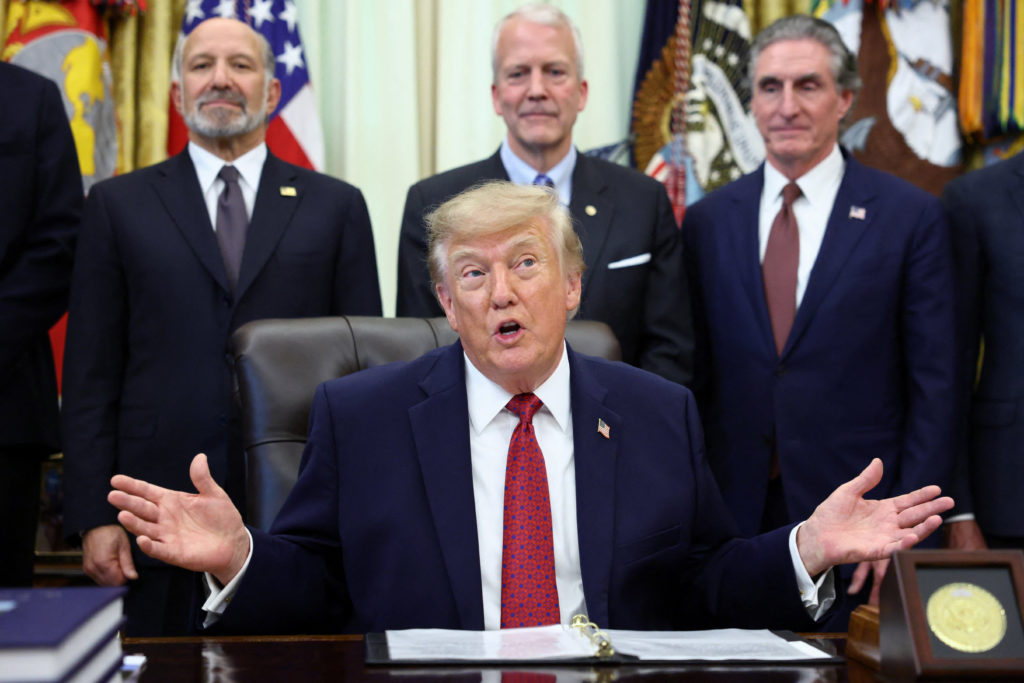
WATCH: Trump announces $54 billion South Korean investment in Alaska natural gas pipeline
Coverage (4)
- ISSUE HEADLINES3d ago
E-Check could disappear after 30 years: The Wake Up for Wednesday, Sept. 30, 2026

Coverage (3)
- ISSUE HEADLINES4d ago
Another Federal Judge Strikes Down New York's $75 Billion Climate Superfund

Coverage (4)
- ISSUE HEADLINES4d ago
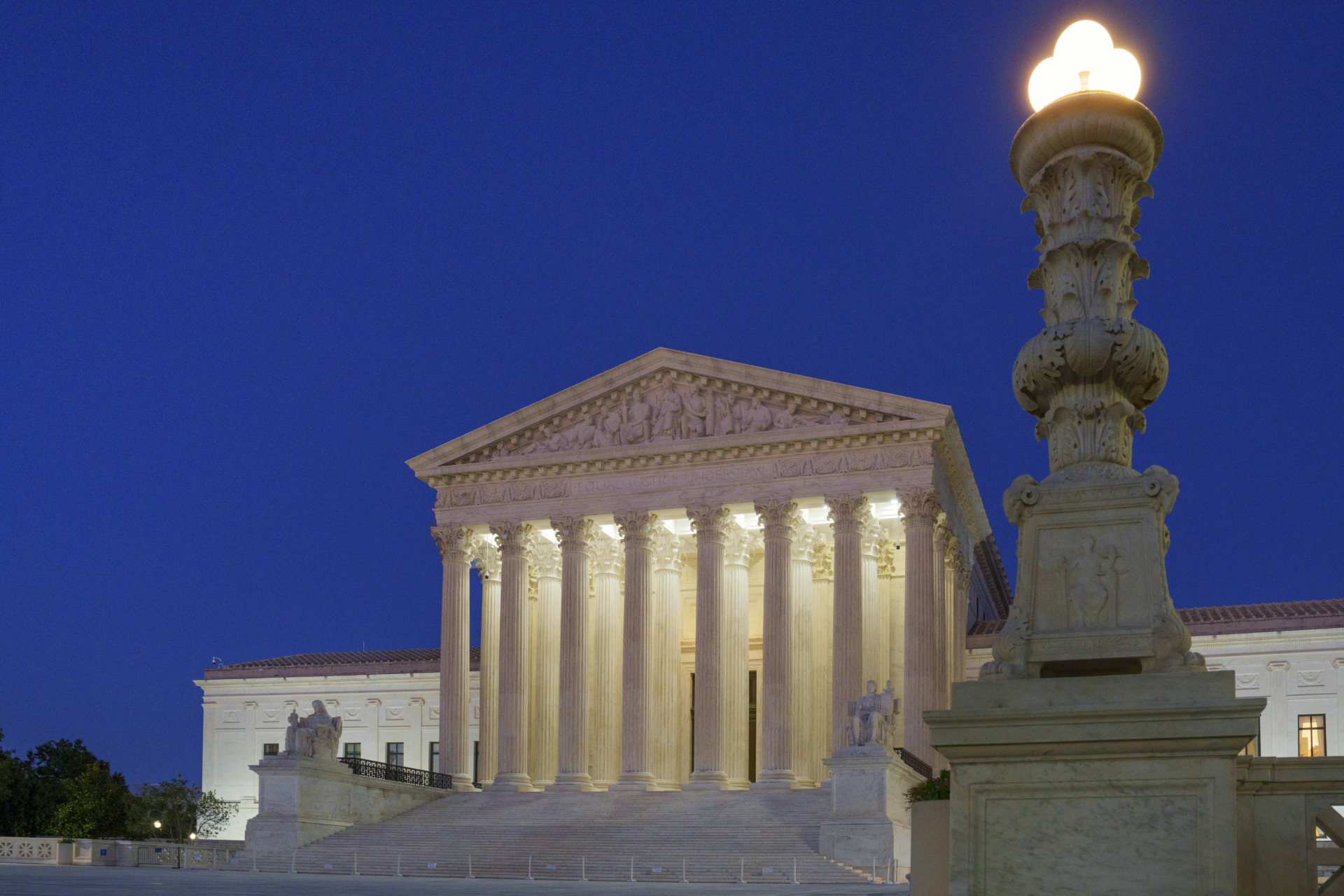
Samuel Alito recuses from Suncor v. Boulder climate liability case

Coverage (10)
- ISSUE HEADLINES5d ago
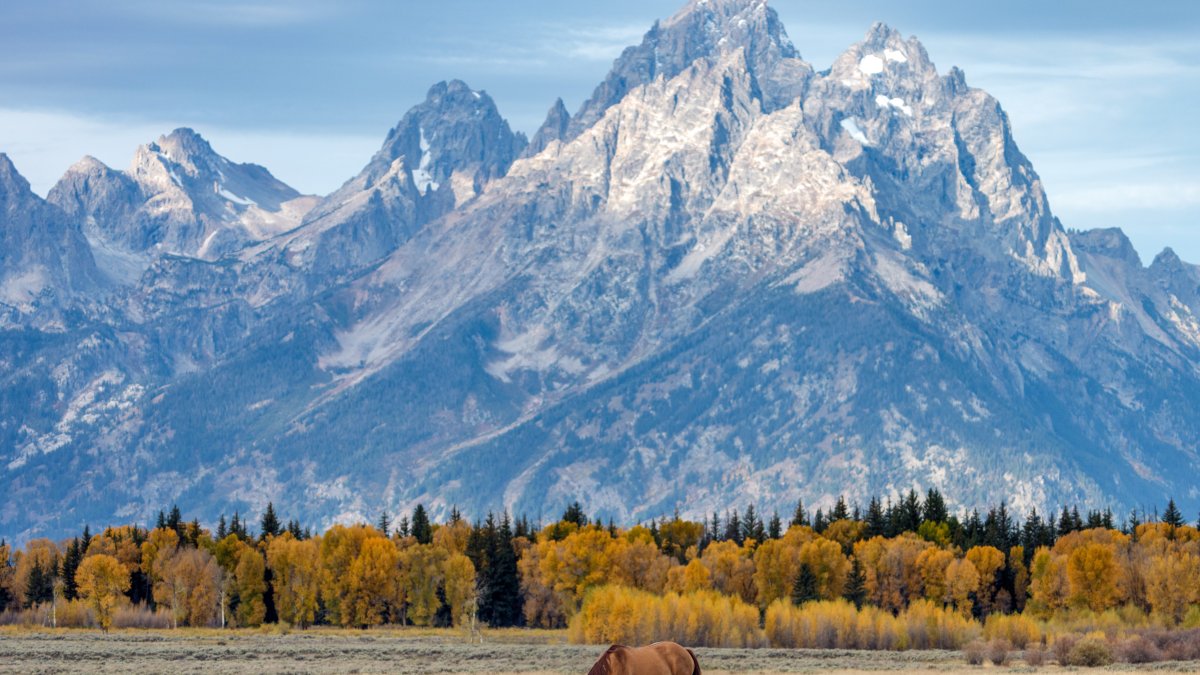
MLB considers Grand Teton National Park for game site, prompting concern
Coverage (5)
- ISSUE HEADLINES5d ago
In Surprise Move, Supreme Court Justice Alito Recuses From Blockbuster Climate Case

Coverage (7)
- ISSUE HEADLINES14d ago
House Passes Bill Requiring Data Centers to Shoulder Their Own Energy Costs
Coverage (8)
- ISSUE HEADLINES16d ago
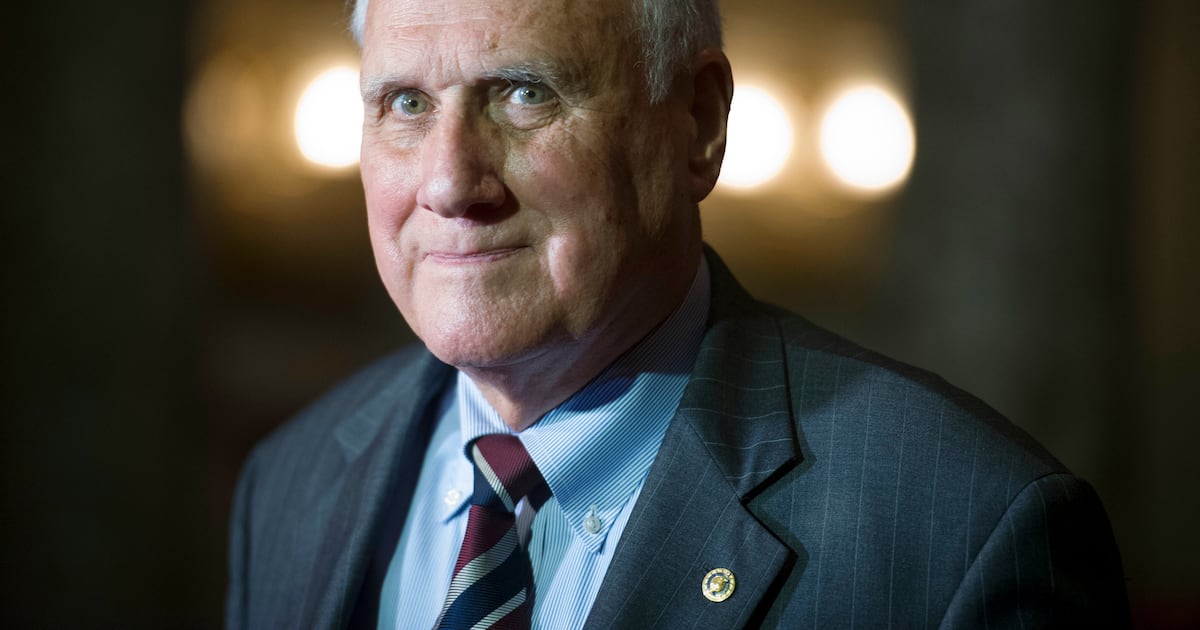
Former US Sen. Jon Kyl of Arizona, a 'workhorse' who shaped water policy, dies at 84
Coverage (7)
- ISSUE HEADLINES17d ago
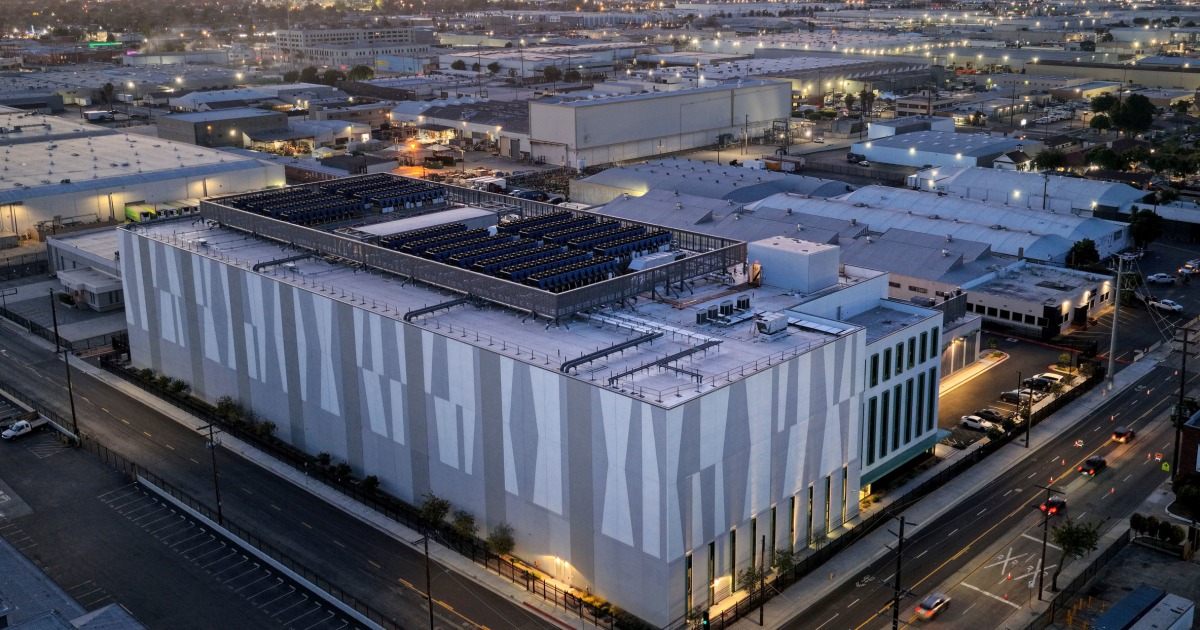
House passes bill to shield consumers from data center price hikes on energy
Coverage (7)
- ISSUE HEADLINES18d ago
Newsom signs laws requiring wildfire smoke cleanup coverage, expanding mortgage relief

Coverage (3)
- ISSUE HEADLINES22d ago
With support from loggers and (some) environmentalists, Congress unites on major wildfire bill

Coverage (6)






- Senate Committee on Foreign RelationsThe Senate Committee on Foreign Relations was established in 1816 as one of the original ten standing committees of the Senate. Throughout its history, the committee has been instrumental in developing and influencing United States foreign policy, at different times supporting and opposing the policies of presidents and secretaries of state. The committee has considered, debated, and reported important treaties and legislation, ranging from the purchase of Alaska in 1867 to the establishment of the United Nations in 1945. It also holds jurisdiction over all diplomatic nominations. Through these powers, the committee has helped shape foreign policy of broad significance, in matters of war and peace and international relations. Members of the committee have assisted in the negotiation of treaties, and at times have helped to defeat treaties they felt were not in the national interest.+14
- Western Hemisphere, Transnational Crime, Civilian Security, Democracy, Human Rights, and Global Women's Issues+3
- Africa and Global Health Policy+3